
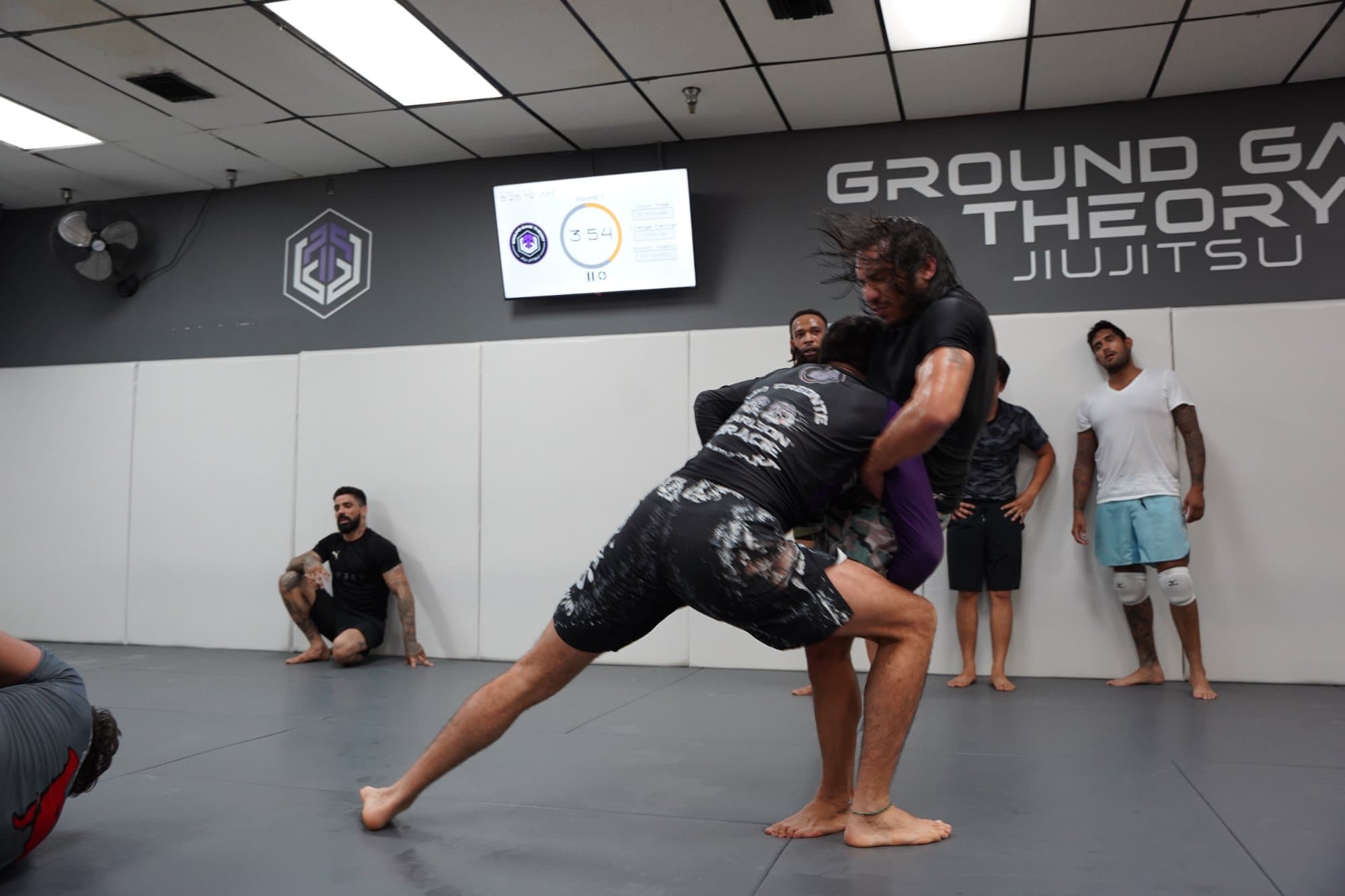
CLA Jiu Jitsu: The Best Grapplers Don't Follow Scripts
Key Takeaways Knowledge isn't skill. Memorizing techniques means little if you can't apply them against resistance. Individuality is your co…
October 15, 2026Read →
5 articles from the Ground Game Theory blog.
Key Takeaways Knowledge isn't skill. Memorizing techniques means little if you can't apply them against resistance. Individuality is your co…
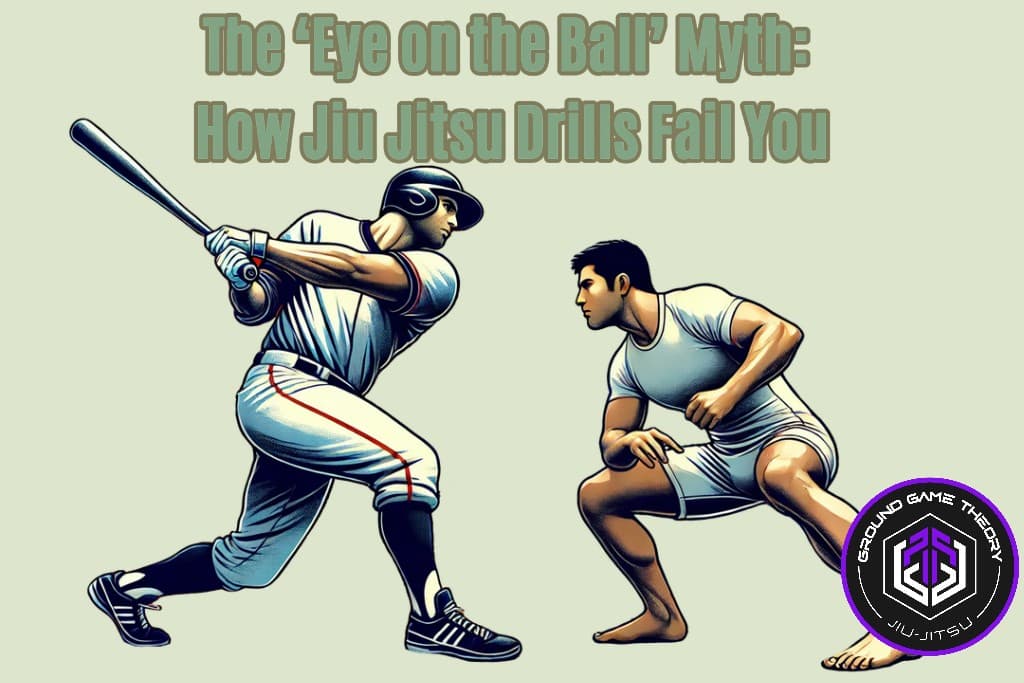
In combat sports, one of the most enduring ideas is that static drilling leads to skill mastery. But just like baseball's 'keep your eye on …
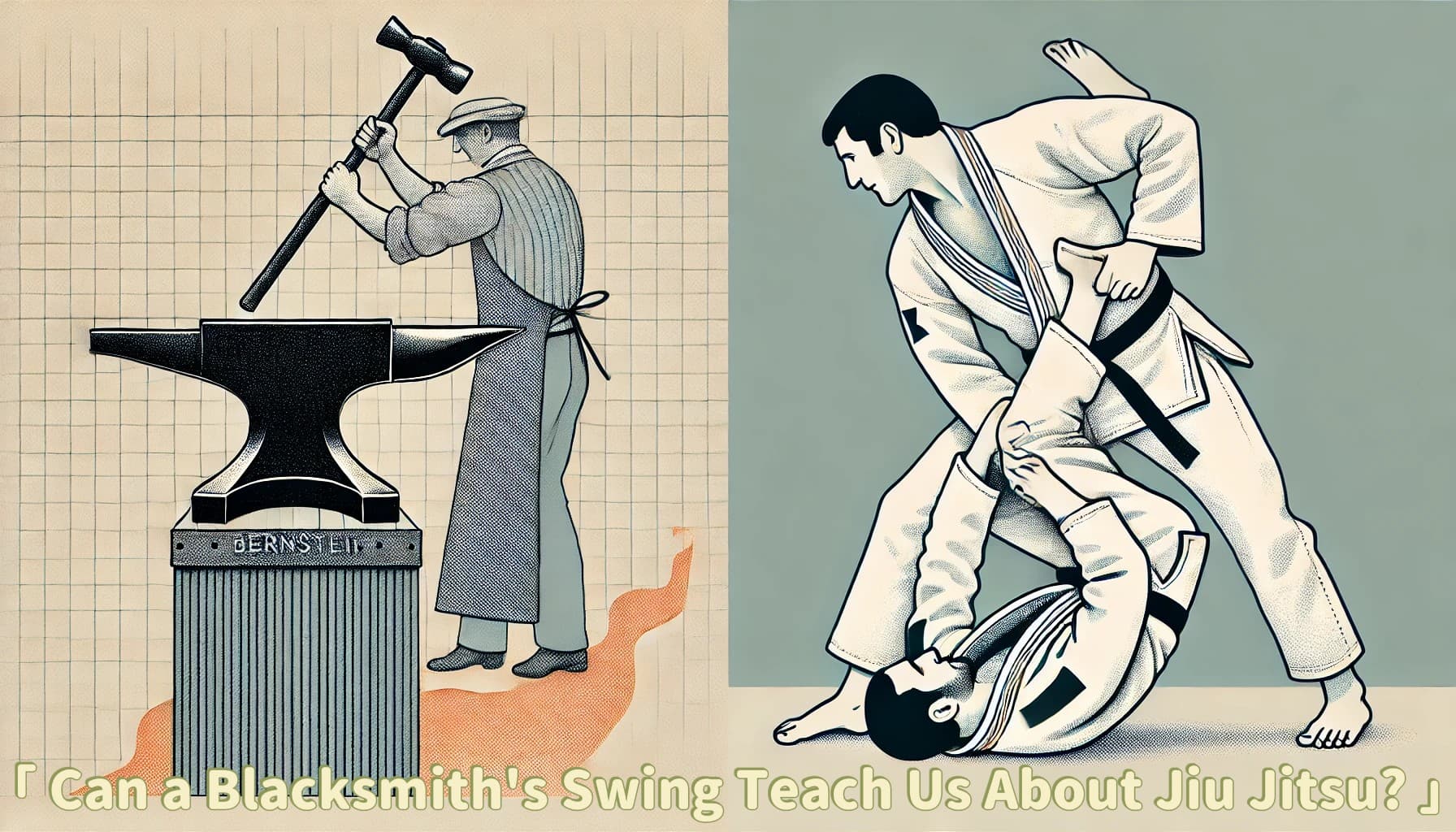
Imagine spending your days as a blacksmith, swinging a hammer with precise aim to hit the same target, hundreds of times over. You'd assume …

What if the traditional way you've been learning jiu jitsu is holding you back? Enter the ecological approach—a method that focuses on learn…
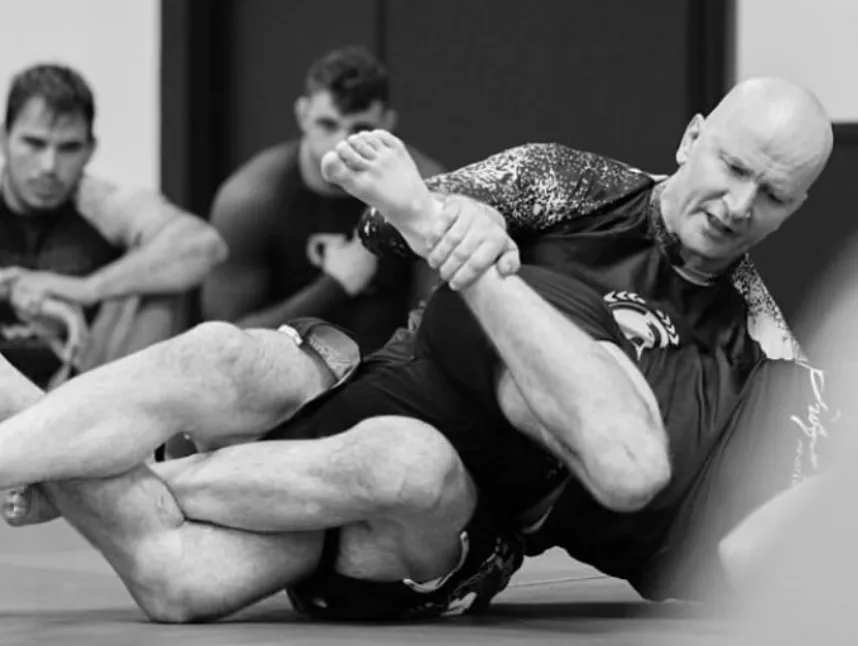
John Danaher, a legendary Brazilian Jiu Jitsu professor renowned for his innovative teaching methods and deep understanding of the art, insp…
Coaching philosophy is where we explain the reasoning behind the way classes run at Ground Game Theory. Most of what happens on our mats traces back to a few ideas: skill shows up under live pressure, not in isolated repetition; problems teach better than instructions; and a coach's job is to design the rounds so students discover answers they can actually use.
The posts here dig into the ecological approach to skill acquisition, why we lean on positional sparring and constraint-led games instead of long drilling blocks, and the lessons we took from the professors and competitors who shaped our own training.
If you are choosing an academy, these articles are the clearest picture of what you would be signing up for. If you already train here, they explain why a class looked the way it did. Read them alongside the training tips category, which turns the same ideas into things you can do in your next round.