

History of Jiu Jitsu Pt. 3: Modern Day Submission Grappling
In this final installment of our series, we explore how Jiu Jitsu has evolved since touching ground in America, a land of innovation, commer…
June 5, 2024Read →
3 articles from the Ground Game Theory blog.
In this final installment of our series, we explore how Jiu Jitsu has evolved since touching ground in America, a land of innovation, commer…
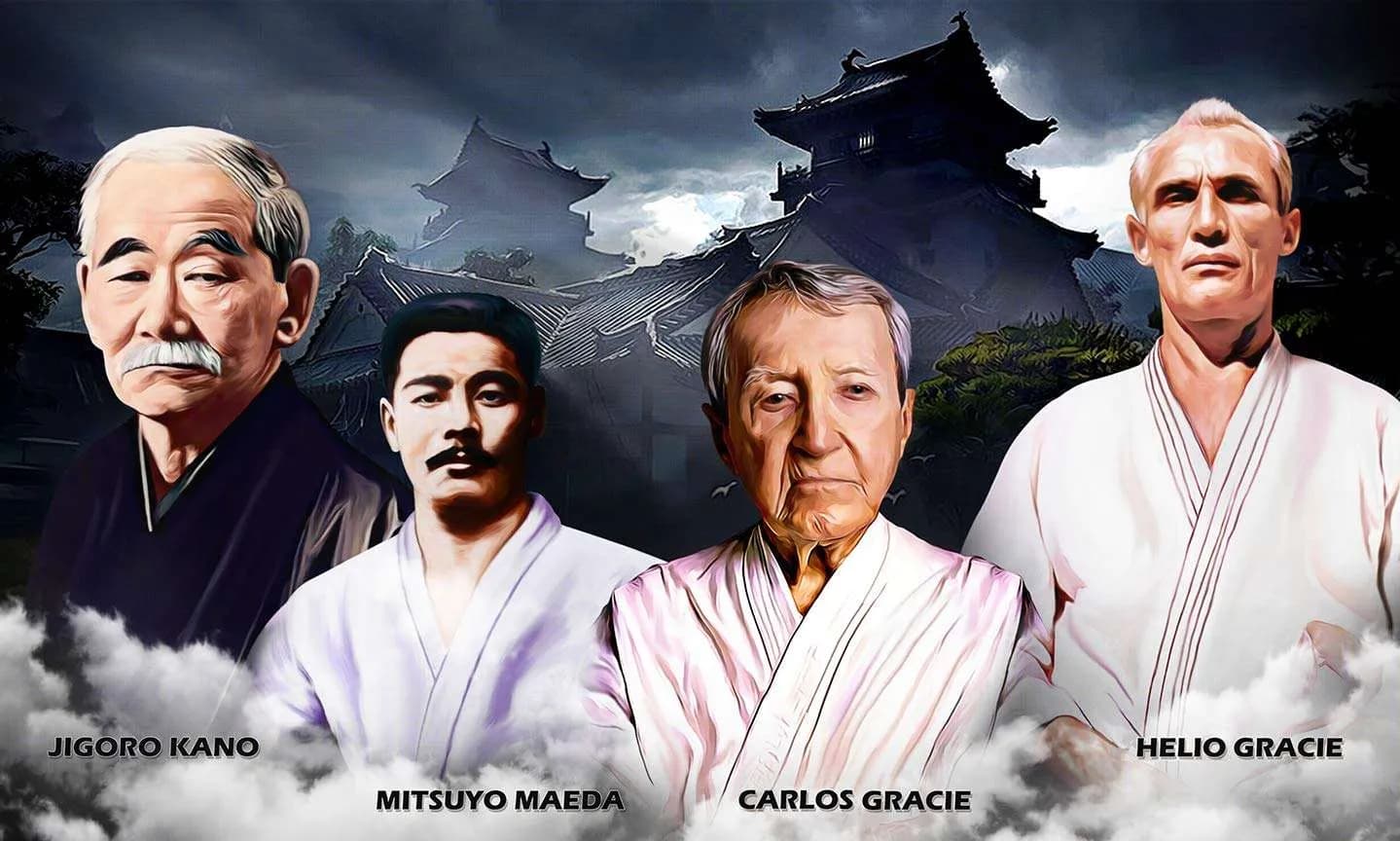
As we continue our exploration into the history of Jiu Jitsu, we now transition from the samurai origins detailed in Part 1 of our series.
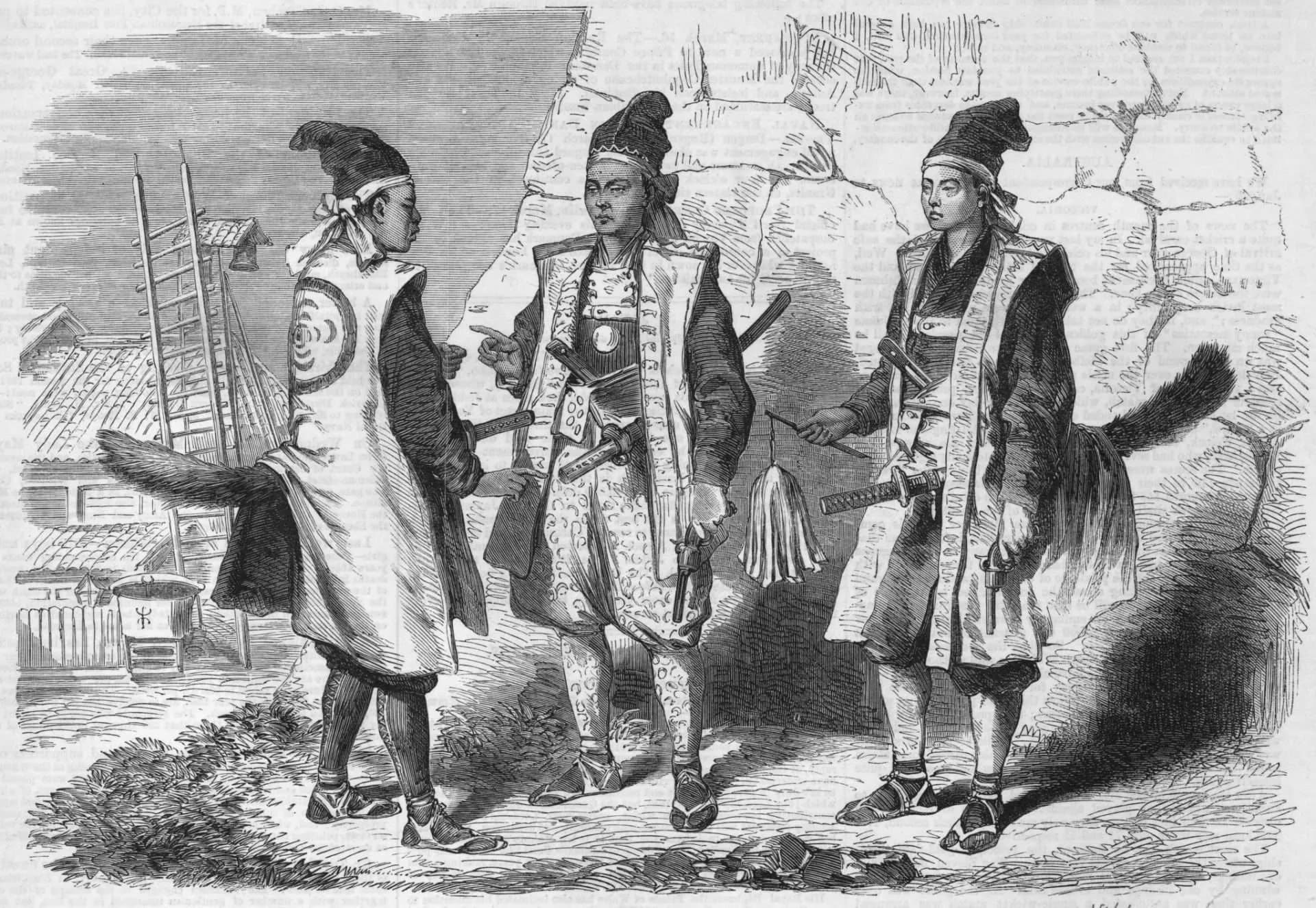
Welcome to the first installment of our journey through the fascinating history of Jiu Jitsu. This series will uncover the evolution of Jiu …
The jiu jitsu history series follows the art from its roots in Japanese jujutsu and judo, through Mitsuyo Maeda's arrival in Brazil and the Gracie family's development of Brazilian jiu jitsu, to the submission-only, no-gi grappling that fills our schedule today.
Knowing where a position or a rule came from changes how you train it. Leg locks were once taboo and are now central; points systems shaped the guard game for decades; the no-gi boom of the last twenty years rewrote what a beginner learns first. Each post takes one era and explains what changed and why it still matters on the mat.
Start with the introduction on samurai origins, then read the Brazil and modern-era installments in order. They stand alone, but together they explain how the sport arrived at the ruleset we use in our own invitational events.